Norwegian Expedition Standard • Winter 2026

Technical Winter Wear Engineered for the Norwegian Plateau

From the gale-swept ridges of Jotunheimen to the coastal blizzards of the Lofoten archipelago, survive and thrive with authentic Norwegian wool, membrane shell architecture, and sub-zero mountaineering gear.

Equipment & Apparel Portfolios

The Five Technical Cornerstones of Arctic Travel

Norway's winter climate does not tolerate compromises. Review our detailed benchmarks for woven natural fibers, storm membranes, footwear compounds, and integrated micro-climate protection.

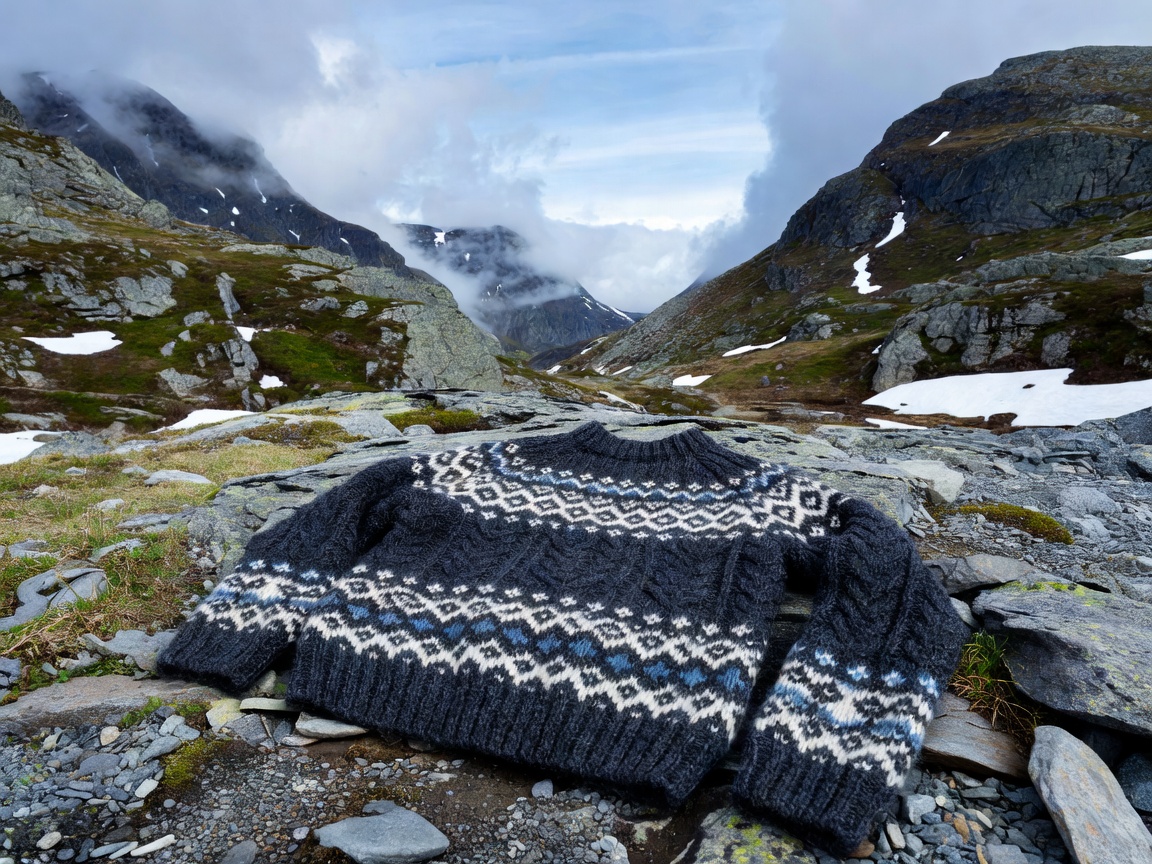
Heavy gauge Norwegian wool sweater knitted with historic geometric patterns on a mountain pass
Mid-Layer Benchmark

Norwegian Wool Sweaters

High-density crossbred wool containing natural lanolin creates a hydrophobic thermal fortress that stays warm even when saturated with frozen mist.

100% Norwegian Wool
32–36 μm Fiber Diameter
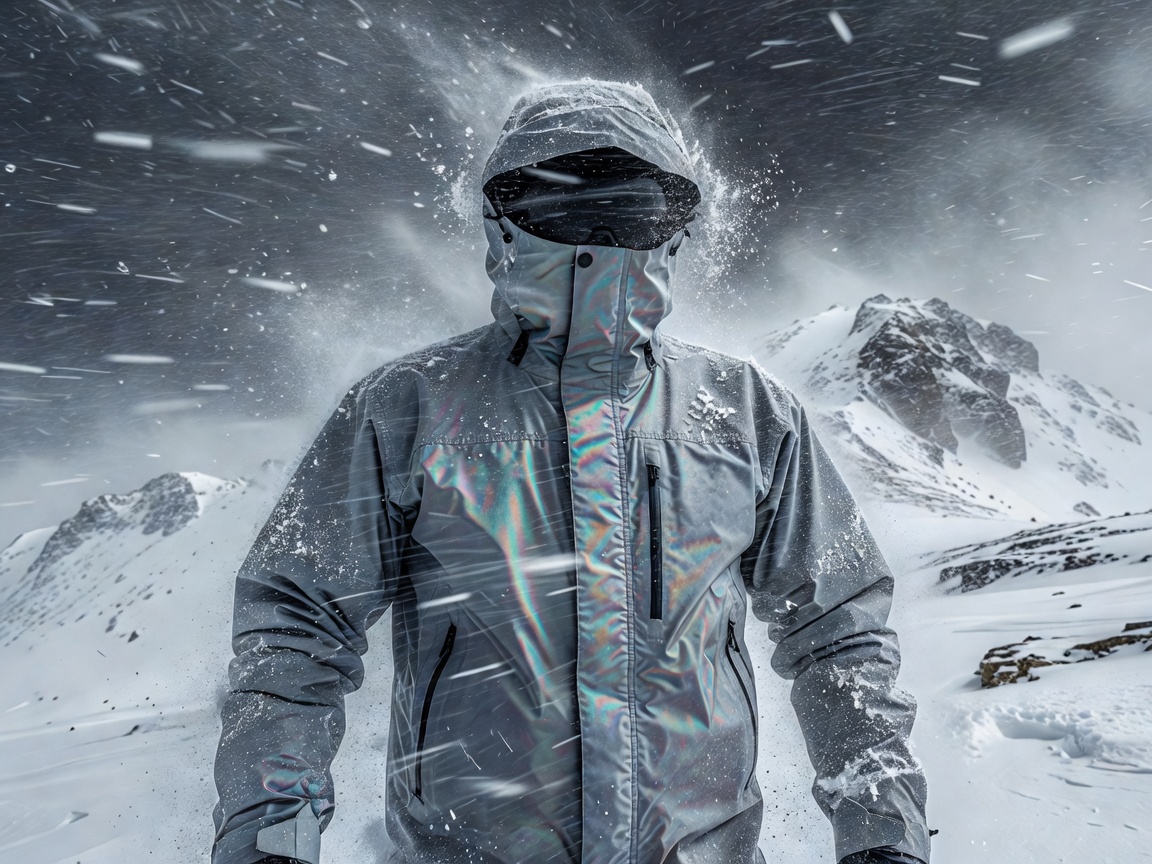
Technical waterproof breathable hard-shell jacket facing high-altitude wind and sleet
Outer Barrier

Technical Shell Jackets

3-layer laminates rated to 28,000 mm hydrostatic head, engineered with articulated storm hoods, pit zips, and pack-compatible harness access.

28k mm Hydrostatic Head
70D Nylon Ripstop
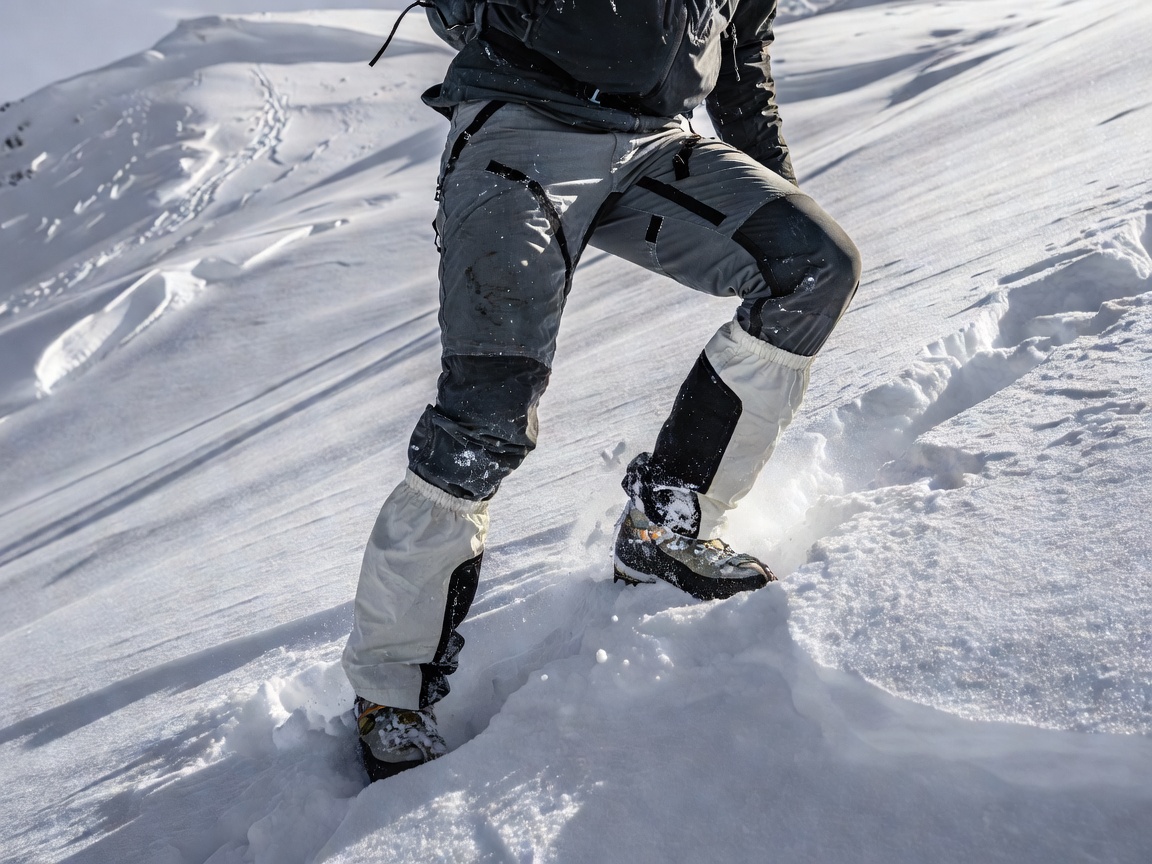
Reinforced alpine snow trousers with integrated powder gaiters on steep snowpack
Lower Body Protection

Alpine Snow Trousers

High-rise drop-seat salopettes and reinforced ski-touring pants fitted with Kevlar instep guards and two-way cross-ventilation zippers.

500D Cordura Cuffs
High-Bib Drift Sealed
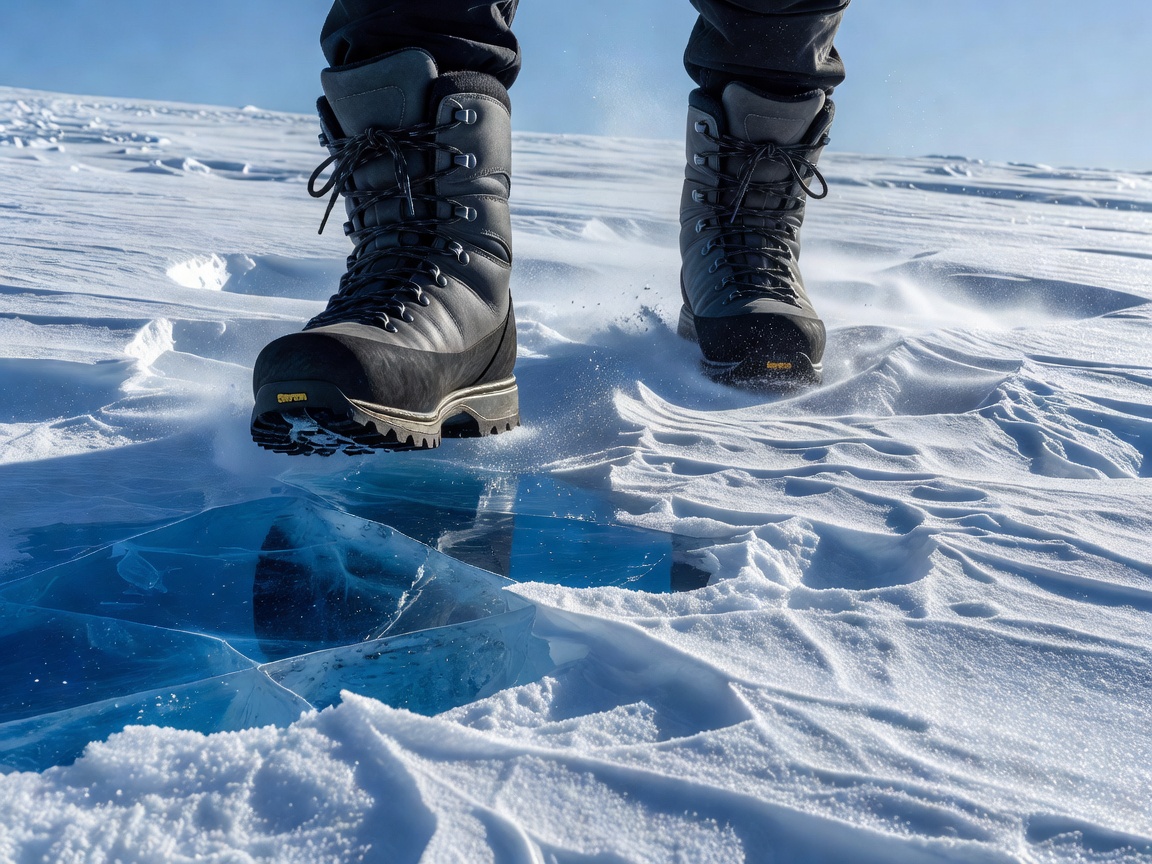
Sturdy insulated mountaineering boots stepping on glazed blue ice and wind-crusted snow
Traction & Thermal Floor

Arctic Hiking Boots

Hydrophobic full-grain leather shells married to 400g hollow-fiber synthetic insulation and thermal-compound lug outsoles designed for sub-zero grip.

-35°C Comfort Rating
B2 / C2 Crampon Match
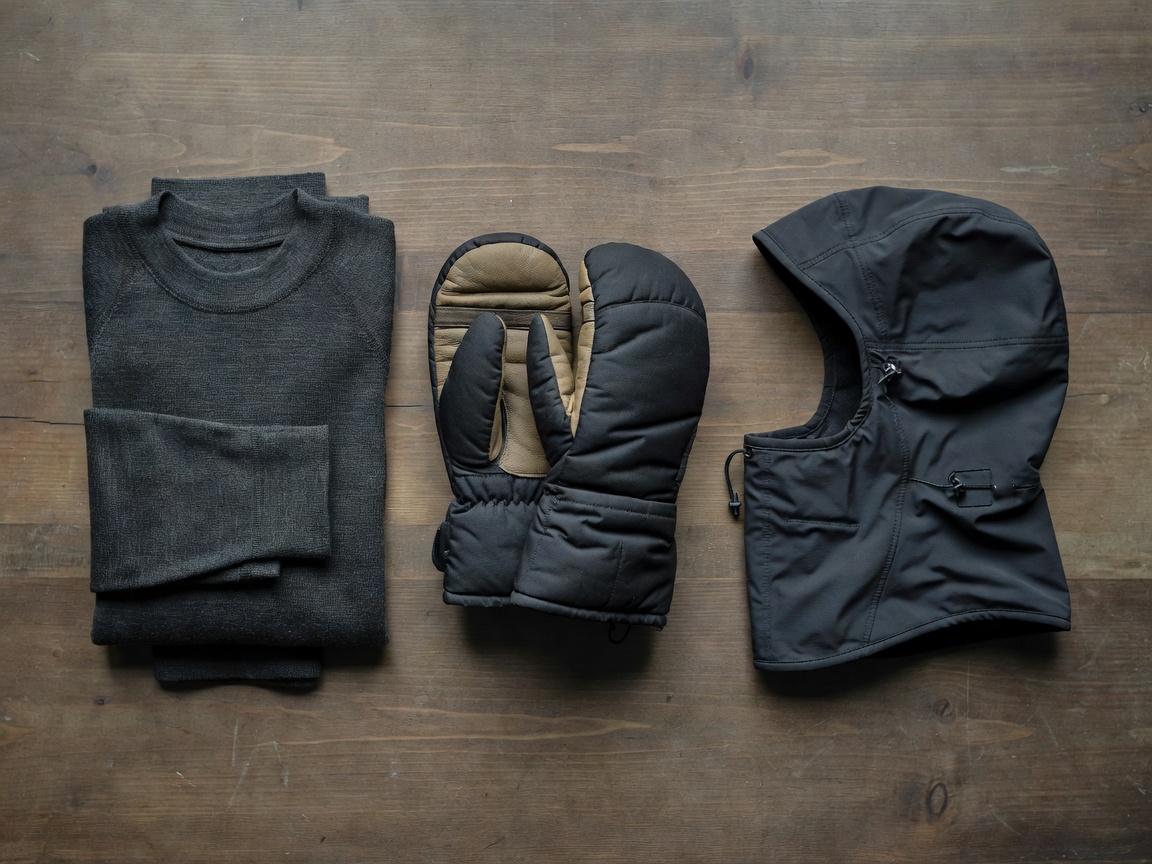
Flatlay of thermal merino baselayers, insulated mountaineering mittens, and storm balaclavas
System Synergy

Layering & Accessories

The definitive Norwegian 3-plus-1 layering system: active baselayers, lofty lofting mid-jackets, trigger mittens, windstopper balaclavas, and thermal gaiters.

260 gsm Merino Base
Hydrophobic Down & Core
Environmental Reality

Why Norway Requires Zero Margin for Failure

Norwegian mountain weather is shaped by the collision of warm North Atlantic currents with arctic polar air masses over steep maritime topography. A sunny morning at Hardangervidda can devolve within forty minutes into a minus twenty degree whiteout with hurricane-force gusts.

Standard central European ski equipment routinely fails under these conditions: light seams freeze, synthetic fleece absorbs moisture from sweat during steep climbs, and unsealed boot welts succumb to wet snow slush before refreezing into rigid ice blocks.

  • Natural Self-Cleansing Fibers: Norwegian sheep fleece develops dense crimp structures that resist water penetration and maintain dead-air insulation when soaked.
  • Mechanical Moisture Venting: Shells must prioritize continuous physical airflow over membrane micropores when external temperatures fall below zero.
  • Glacier Footing Stability: Cold-formulated rubber soles prevent crystalline snow packing inside tread channels.

Nordic Winter Testing Conditions

-32°C Average Inland Plateau Minimum
45 m/s Peak Winter Ridge Gust Velocity
100% Relative Humidity During Marine Blizzard Inversions